
Sliding door lock repair in Dallas for patio sliders that won't latch, won't lock or lift right out.
Keeper realignment, roller adjustment, mortise latch and handle set replacement, keyed locks and secondary security for patio sliders across DFW.
Most slider locks that "stopped working" still work. The hook is missing the keeper because something moved. We find what moved and fix that.
- Hook tested against the keeper with the thumb latch thrown before we leave.
- Bars, foot locks, pin locks and anti-lift blocks fitted on the same visit.
- Licensed through the Texas DPS Private Security Bureau.
Call or text the same number. Call to confirm availability in your area.
Dispatch slip
Have these three ready
- 01Where you are
- 02What the door does: won't latch, won't lock, handle broken
- 03Door brand if you can see it, and keyed outside or not
What sliding door lock repair in Dallas actually covers.
A patio slider does not lock like a front door. There is no deadbolt throwing straight into the frame. Inside the edge of the sliding panel sits a mortise latch, a narrow lock body held in a pocket by two screws through its faceplate. When you flip the thumb latch on the inside handle, a steel hook swings out of that faceplate and rises behind a keeper, a small metal catch screwed to the jamb. The hook behind the keeper is the whole lock.
That means the lock only works when three things line up: the hook, the keeper and the height of the panel. If any one of them moves, the thumb latch flips but the hook catches nothing, and the door slides open while it looks locked.
Sliding door lock repair is the work of getting those three back in line, or replacing the part that wore out, and then adding the security a single hook latch cannot give you on its own.
Call 469-300-5525How the hook latch catches, and why it misses.
Side view of the lock edge of a slider, looking along the jamb.
Hook, keeper, panel height
The hook travels a short distance. A panel that drops a fraction of an inch is enough to put the hook under the keeper instead of behind it.
Sliding panels ride on rollers in the bottom of the door. As the rollers wear, or as the panel's weight settles them, the whole panel sits lower in the frame. The hook drops with it. You flip the thumb latch, feel it move, and the door still opens.
- Mortise latchThe lock body inside the door edge. Single hook and two-point versions with two hooks both exist.
- Hook boltThe steel hook that swings out of the faceplate and rises behind the keeper.
- KeeperThe catch on the jamb. On many doors it can be shifted in, out, up or down with its screws.
- Thumb latchThe lever on the inside handle that drives the hook. Some sets add a key cylinder outside.
Four reasons a patio door lock stops holding.
Two of the four are adjustments, not parts.
Check this first
Is the hook reaching the keeper?
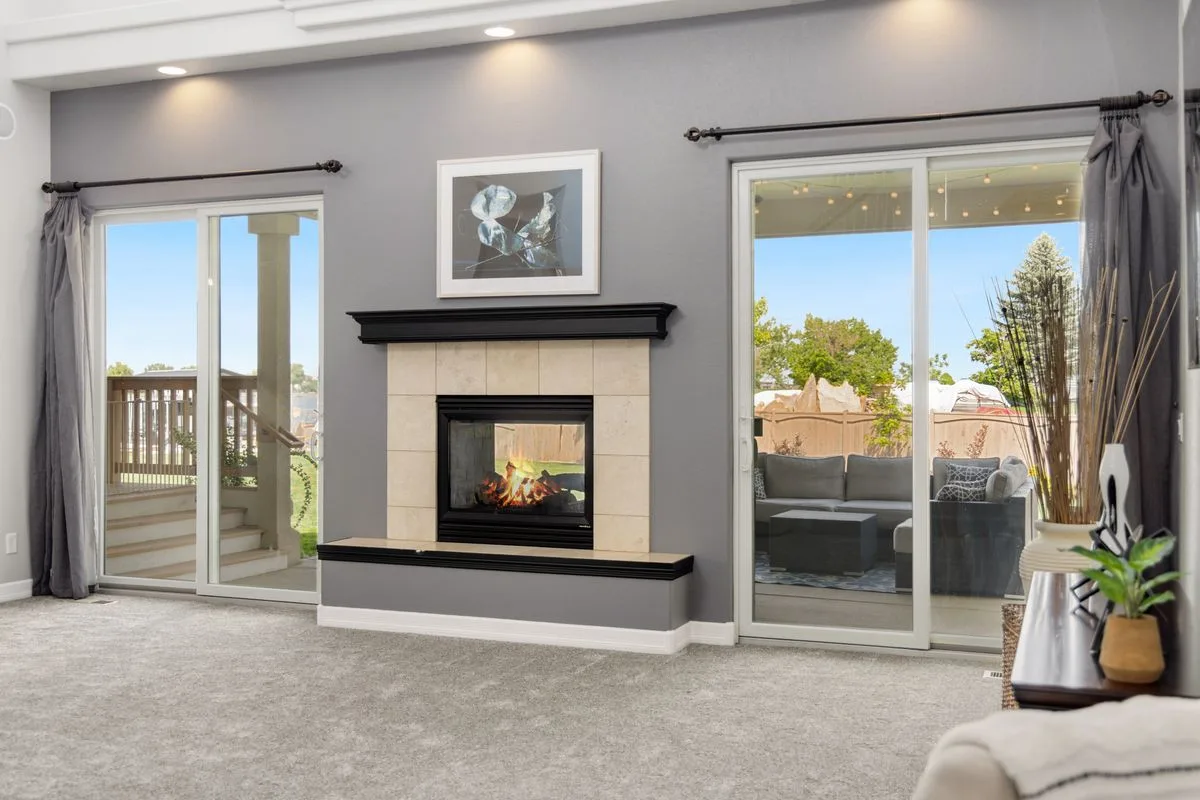
Open the door, flip the thumb latch and watch the hook. If it swings out fully, the problem is usually alignment, not the lock.
Before anyone replaces a lock, it is worth knowing which of these you have.
The panel has sagged
Worn or settled rollers let the panel ride lower, so the hook rises under the keeper. Signs: the door drags, the gap along the top looks uneven, or the panel is hard to slide. If the rollers still turn and only need raising, it is an adjustment. If they are cracked or seized, that is a roller replacement, and we tell you on the call who should do it.
The keeper has moved
Keepers are held by a few screws in an aluminum, vinyl or wood jamb. Slamming the door, a loose screw or a frame that has shifted over a few Texas summers can walk the keeper off line. The hook then lands beside it or just short of it.
The hook is worn or bent
The hook takes every slam and every forced pull. A bent hook, a worn tip or a weak internal spring means it no longer rises far enough to catch. That is a mortise latch replacement.
The handle set is broken
Many sliders ship with light handle sets. The thumb latch cracks, the lever spins without moving the hook, or the handle works loose. A new handle set has to match the door's screw spacing and latch, so the brand and model matter.
If the latch flips and the door still opens, do not leave it overnight. Drop a bar or a cut broom handle in the bottom track until it is fixed.
Call 469-300-5525The fix depends on which part gave out.
We start with the simplest fix that actually holds, and work up only if we have to.
Realign the keeper. Loosen the keeper, move it until the hook rises cleanly behind it, then tighten it back into solid material. On many doors this takes a screwdriver, not a part.
Adjust the rollers. Most sliders have adjustment screws at the bottom ends of the panel, often behind small caps. Raising the rollers lifts the panel back to where the hook meets the keeper and evens out the gap along the top.
Replace the mortise latch or handle set. When the hook or the thumb latch itself is worn, the part comes out and a matched one goes in. Fit depends on the door's brand, faceplate size and screw spacing, which is why we ask about the door when you call.
Add a keyed exterior lock. A standard thumb latch only locks from inside. If you want to lock the slider when you leave through it, a keyed handle set or a separate keyed patio lock does that.
What it costs depends on whether the job is an adjustment or a part, the hardware your door takes, and the time of day. See the Dallas locksmith cost guide for how pricing works.
Secondary security
- Security bar in the bottom track, so the panel cannot slide even if the latch is beaten
- Foot lock or pin lock that pins the sliding panel to the fixed one or the frame
- Anti-lift blocks or screws in the upper track, so a closed panel cannot be lifted off its rollers
Sliding patio doors
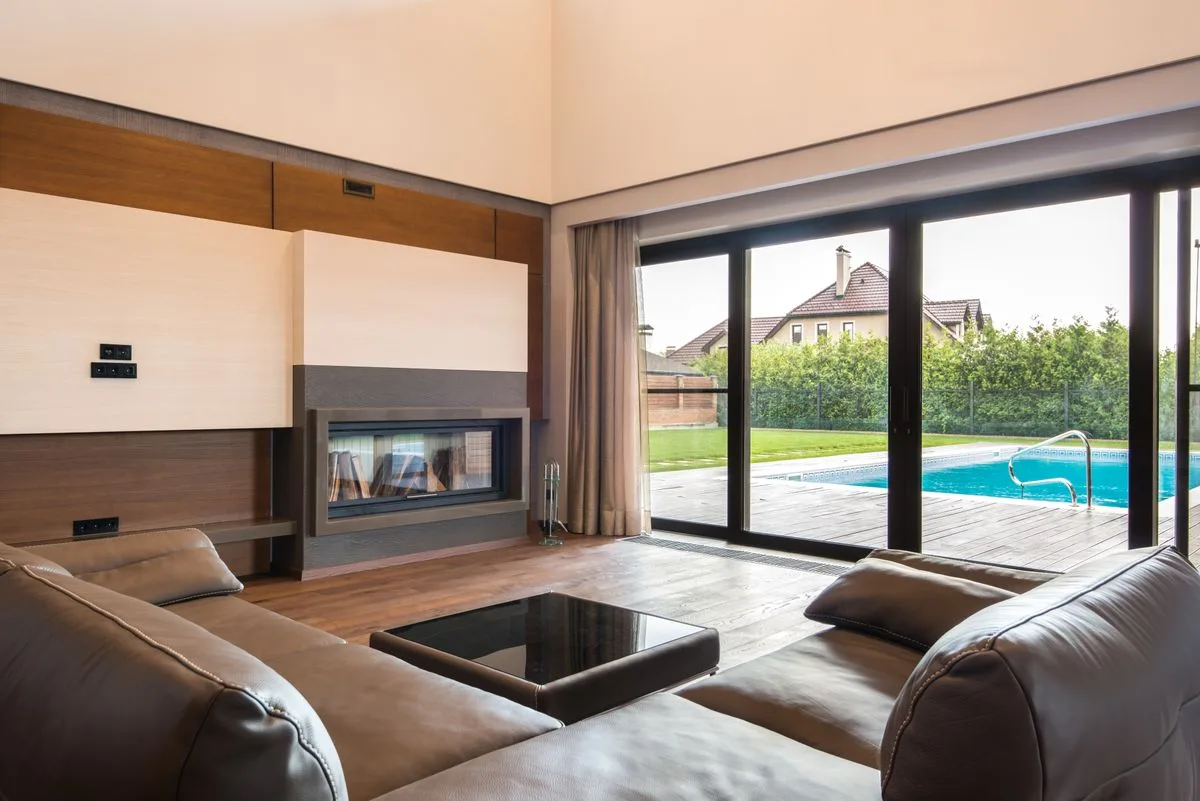
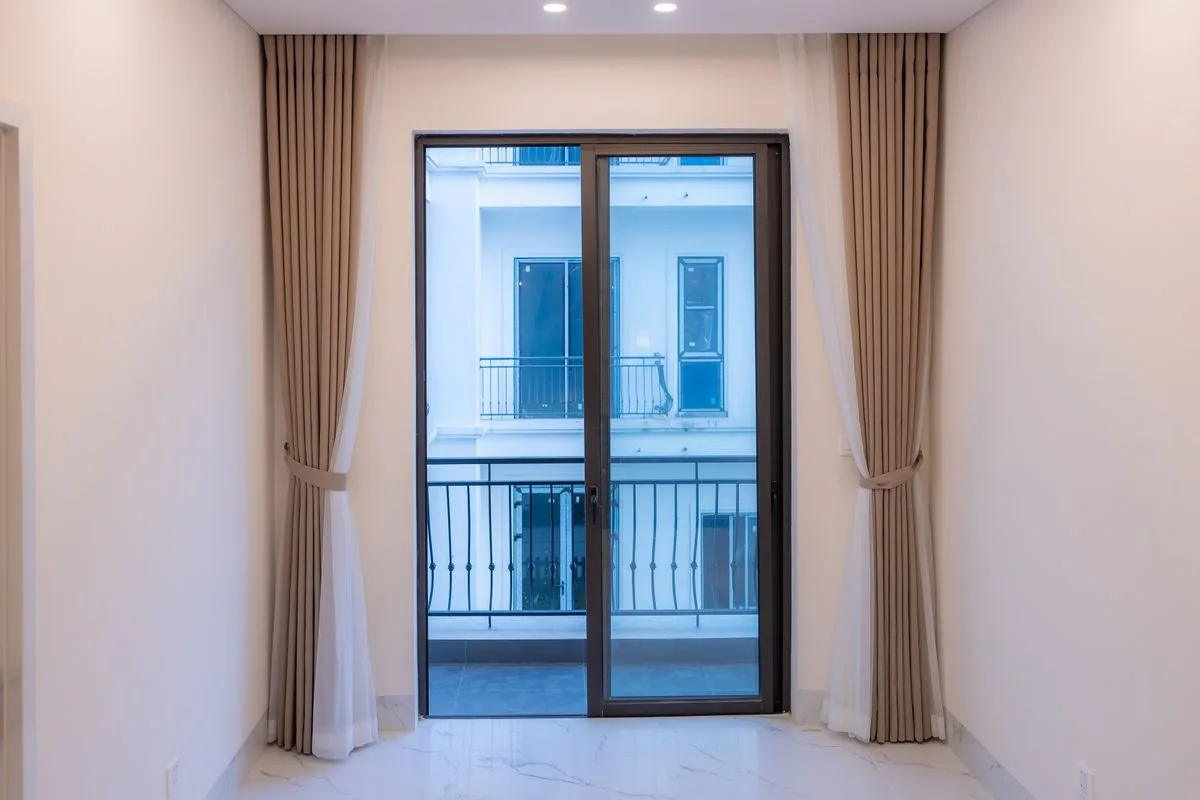
Moving into a new place? Our new home security checklist for DFW covers the slider along with every other door.
Every slider we work on gets the same checks before we pack up.
Fast Local Locksmith LLC469-300-5525
Checklist
Locked means the hook is behind the keeper. Nothing less.
- Hook catches the keeper.Thumb latch thrown, then we pull on the panel to confirm it holds.
- Panel rides level.Roller height checked so the gap along the top is even.
- Keeper screws snug.Tight in solid material, not spinning in stripped holes.
- Handle set tight on both sides.No play in the lever, no wobble in the handles.
- Lift test.Closed and locked, the panel should not lift off its track.
- Secondary lock where you asked for it.Bar, foot lock, pin lock or anti-lift blocks fitted and shown to you.
How a sliding door lock repair goes.
Three steps, in order, every time.
Dispatch slip
Sample
Back patio slider, Richardson
TakenLatch flips, door still opens
RoutedVinyl slider, no outside key
Open- Step 1
Watch the hook
With the door open, the technician throws the thumb latch and watches the hook swing out. Then the door is closed and latched to see where the hook lands against the keeper, and the panel is checked for sag and drag.
- Step 2
Adjust before replacing
If the hook moves freely, the rollers and keeper are set first. Only if the hook is worn, the thumb latch is broken, or the handle set is cracked does a part come out. If the rollers or track are past adjusting, we tell you plainly and say who handles that work.
- Step 3
Test, then secure
The door is locked and pulled, then lift-tested on its track. Any secondary security you asked for, a bar, a foot or pin lock, or anti-lift blocks, goes in last, and we show you how to use it.
Areas we serve for patio door lock repair.
We dispatch across the Dallas-Fort Worth Metroplex.
In Dallas we cover east Dallas, north Dallas, Oak Cliff, Lakewood, Preston Hollow and Deep Ellum. Across the metro we serve Garland, Mesquite, Irving, Carrollton, Richardson, Plano, Frisco, Grand Prairie, Arlington, Fort Worth, Grapevine, Denton, DeSoto, Duncanville, Cedar Hill, Lancaster and Farmers Branch. Call to confirm availability in your zip code.
Not on the list? Call and we will tell you straight away.
Call 469-300-5525Related residential services.
Doing the slider? These are the jobs people pair with it.
- Lock replacementDeadbolts and knob sets on the rest of the house, matched to the door prep.See service
- Lock rekeyNew pins in your existing locks so old keys stop working.See service
- Smart lock installationKeypad and app locks for the front door, set up and paired on site.See service
- Rekey after movingFirst week in a new DFW home, every exterior lock on one key.See service
Sliding door lock questions we hear most.
Why does my sliding door open even when it is locked?
Almost always because the hook is not reaching the keeper. The panel may have sagged on worn rollers, the keeper may have shifted, or the hook may be bent or worn. The thumb latch still moves, so it feels locked, but nothing is holding the door. Adjusting the rollers or keeper fixes many of these without new parts.
How much does sliding door lock repair in Dallas cost?
It depends on whether the job is an adjustment or a replacement part, what hardware your door takes, and whether it is a daytime or after hours call. A keeper or roller adjustment costs less than a new mortise latch or handle set. Our Dallas locksmith cost guide explains how pricing works, and you can call to talk through the likely cost before we come out.
Can you add a key lock to the outside of my patio door?
Yes. A standard slider only locks from inside with the thumb latch. We can fit a keyed handle set where the door takes one, or install a separate keyed patio door lock, so you can lock the slider when you leave through it.
Do you replace sliding door rollers and tracks?
We adjust rollers as part of lock repair, because a sagging panel is the most common reason a hook misses the keeper. When rollers are broken or the track is bent or worn, replacement is often a door shop job, and glass work is a glass shop job. We tell you which it is on the call.
What is the best extra lock for a sliding glass door?
A bar in the bottom track stops the panel from sliding. A foot lock or pin lock pins the panel in place. Anti-lift blocks or screws in the upper track stop a closed panel from being lifted off its rollers. Using a track bar plus anti-lift protection covers both the slide and the lift.
Can I just buy a new handle set at the hardware store?
You can, but slider handle sets and mortise latches are not universal. The screw spacing, faceplate size and hook style have to match your door. If you are not sure of the brand and model, tell us what the door is when you call and we will bring matching options.
Patio door won't lock?
Tell us what the door does. We will tell you whether it is ours to fix before anyone drives out.
Mobile service across the Dallas-Fort Worth Metroplex. Call to confirm availability, or text a photo of the latch and handle.
469-300-5525You can also reach us by email or through the contact form on this site.
info@fastlocallocksmith.net